- Flat roof repair and maintenance
- Regular maintenance tasks
- What to Ask for in a Commercial Roof Drain Service Report
What to Ask for in a Commercial Roof Drain Service Report
Ask for clear drain locations, inspection findings and follow-up actions when arranging commercial roof drainage maintenance.
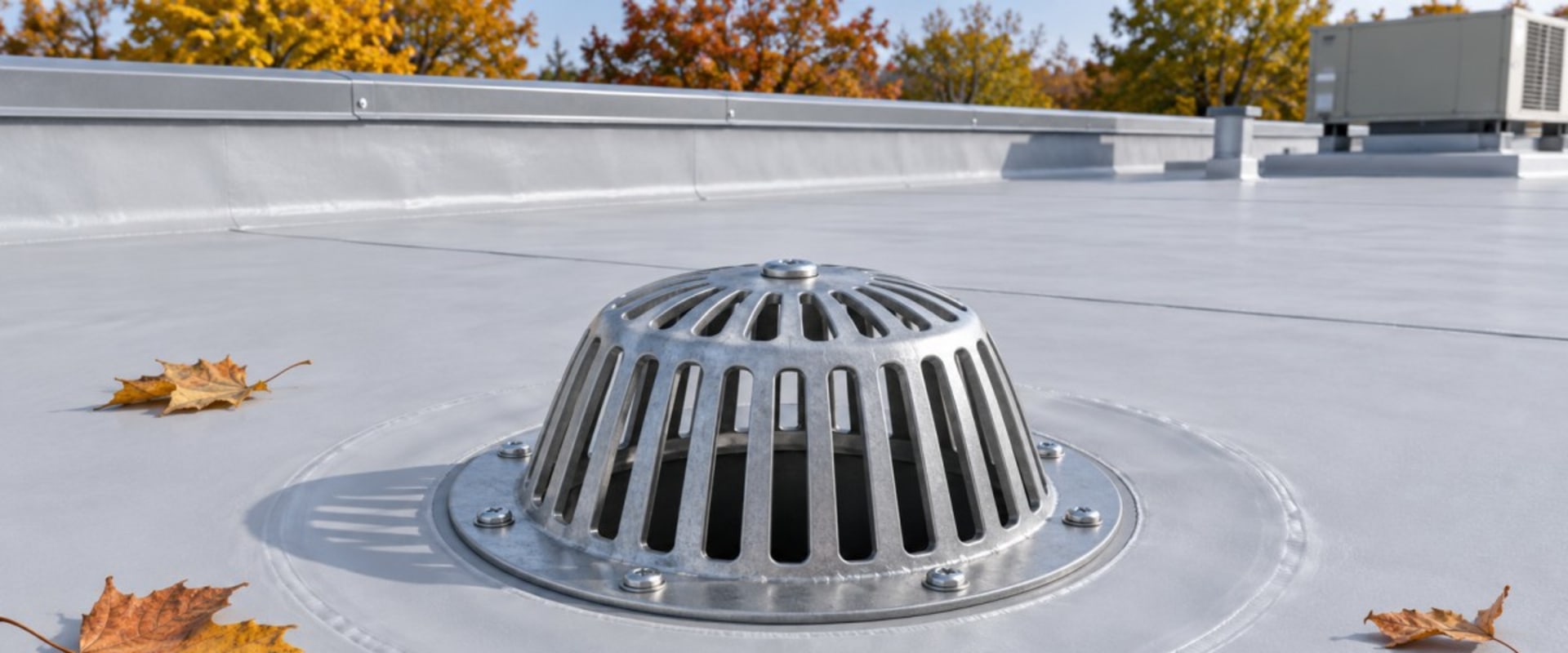
A roof-drain service visit is easier to evaluate when the building team asks for a location-specific report. “Drains checked” does not tell the next manager which outlet was inspected, what was removed, or whether a repair is still open. Before the next visit, agree on a simple reporting format with your roofing contractor.
Give each drainage point a clear identity
Ask the contractor to mark the drains, scuppers and downspouts on a roof plan. Use those same labels on photographs and service notes. If there are several roof levels, include the level in the label so similar-looking outlets cannot be confused.
This is a practical recordkeeping suggestion, not a substitute for the building's drainage design. Have the contractor identify which components serve the roof and explain any access restrictions before staff attempt to inspect them.
Ask what was checked, not just what was cleared
GAF's scheduled maintenance checklist includes cleaning gutters and drains, checking downspouts and scuppers, inspecting drain bolts and strainers, and checking that drains work. It also calls for keeping surrounding roof areas clear and limiting roof access to necessary personnel. Apply the instructions for your particular roof system and guarantee.
For each location, request separate entries for observations, work completed and remaining concerns. Useful questions include: Was debris removed? Was the strainer present and secure? Did the contractor identify a damaged component or a drainage concern requiring another trade? Record the contractor's findings rather than treating a photograph as proof that concealed piping is clear.
Close the loop after the visit
Assign a named contact to every follow-up item and ask for an expected next step. Keep the original observation alongside the completion note so a recurring issue can be recognized. File the report with your commercial roof maintenance records.
Agree on how the building team should report renewed ponding or leaks from safe, accessible locations. The goal is a usable handover between visits, not an invitation for untrained staff to walk the roof or dismantle a drain.